
APPLICATIONS / BATCH CULTURE
What is Batch Culture?
Batch culture is a finite-duration culture in which a bioreactor, or more commonly a shake flask, is filled with a defined quantity of medium, inoculated and operated without further addition of fresh medium or removal of biomass (with the exception of sampling).
Batch cultures are intrinsically simple to establish but unlike a chemostat or turbidostat a steady state is not achieved and throughout the course of the culture nutrients decline, biomass and products accumulate, oxygen demand changes, and cells pass through distinct growth phases and potential metabolic shifts.
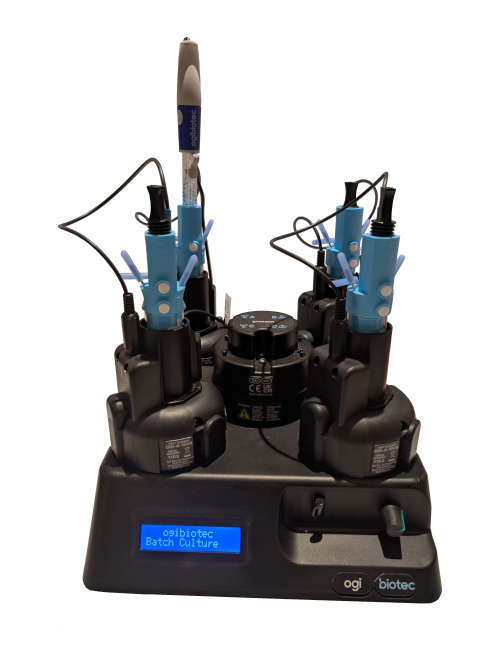
Why use Ogi3 for Batch Culture?
While batch cultures in flasks are easy to set up they are poorly controlled and very labour intensive to monitor and maintain, requiring frequent manual sampling to measure optical density (OD) and any other parameters needed.
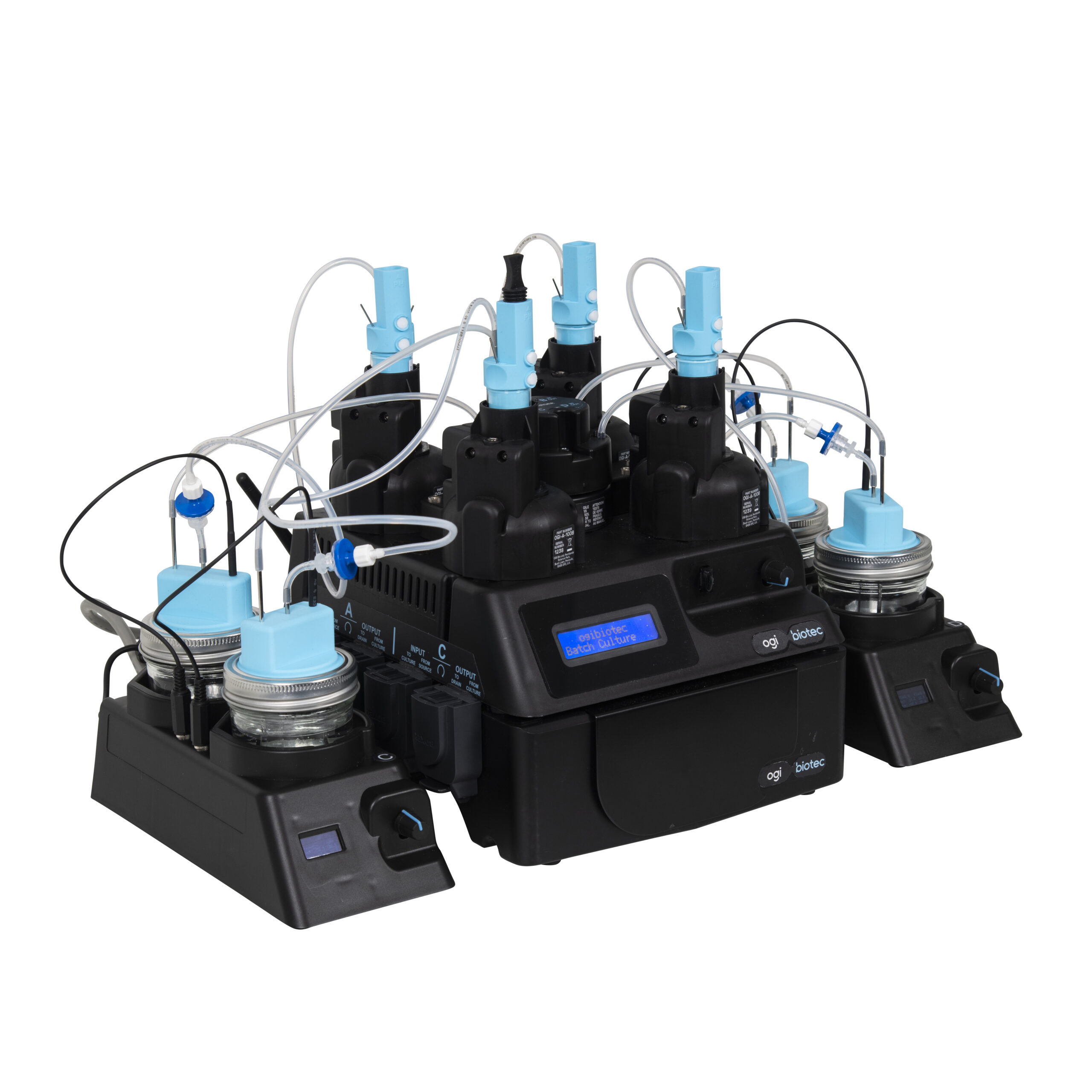
Ogi3 enables up to 4 independently controlled 14 – 20 mL batch cultures to be run in parallel. Even in its most basic configuration each of the 4 cultures is precisely controlled;
- Temperature – up to 50°C
- Agitation – stirring from 500 rpm to 5,800 rpm in 20 rpm increments
With automated OD measurements as often as every 3 minutes and remote access to monitor and control experiments via the Ogi3 Web App you can spend more time on other experiments.
In addition to the default functions of temperature control, agitation and OD measurement optional modules can be added to measure pH, dissolved oxygen and fluorescence as well as sparging with supplementary gasses.
How to set up a batch culture in Ogi3
The Ogi3 Bioreactor core module is supplied with everything you need to perform batch culture experiments so you can be up and running ‘out of the box’.
Setting up an Ogi3 batch culture is a very simple process. The reactor flasks, stirrer bars, stoppers, plugs and filters can be assembled in just a couple of minutes. Once assembled the reactor vessel can then be autoclaved, with or without media, as needed. NB – only the Autoclavable pH probes can be autoclaved. Batch cultures can be performed with culture volumes between 14 and 20 mL.
Once sterilised the reactor vessels are ready to be inoculated in your aseptic working area, simply un-stopper the vessel to add the inoculum before re-sealing to create a closed system which can then be used on an open lab bench.
If your Ogi3 Bioreactor includes additional analytical modules, such as pH, Fluorescence or Dissolved Oxygen then all of these can be measured simultaneously throughout the batch culture with readings taken as frequently as every 3 minutes. All measurements are taken automatically and do not require physical removal of any culture material. In the event that physical samples are required all Ogi3 reactor flask stoppers incorporate a sterile sampling/injection port.
The Ogi3 Web App enables users to remotely access current and past experimental data from any location, modify process parameters of running experiments in real time or draft experiments for future use.
Media Screening


The above plots show cultures of a prototrophic strain of S. cerevisiae strain (FY4). Prior to the experiment the cells were grown in SD-2% sodium pyruvate for 2 days and diluted by 5X 6 hours before the experiment began. Cells were washed twice with Delft media and then inoculated into 10 mL Delft media supplemented with glucose, fructose or galactose. All experiments were stirred at 2,000 rpm with passive gas exchange in the vessel. OD measurements were taken automatically every 5 minutes for the duration of the experiment without the need for manual intervention
S. cerevisiae cultures ferment glucose to produce ethanol when glucose concentration is high. Once the glucose has been consumed the cells will switch to catabolise ethanol. This diauxic shift in metabolism is seen as a change in growth rate which, thanks to the high frequency OD measurements, is clearly visible in the 0.5% glucose culture. The resulting growth rates for cultures showed that growth in glucose was faster than for the cultures containing fructose or galactose which was as expected.
The Ogi3 Dissolved Oxygen Module was not employed to monitor the concentration of available oxygen in these cultures, however, the fact that the cells were able to consume ethanol suggests good oxygenation in the device through passive air diffusion alone. In instances where higher oxygenation would be required stirring speeds up to 5,800 rpm can be employed or the Ogi3 Sparging Module can be used to supply additional air/supplementary gas to the culture.
Temperature Screening


Determining the optimal concentration for your microbial cultures is a key part of any project but this is typically very labour intensive requiring frequent manual sampling from multiple incubators. Ogi3 automates these experiments by combining independent temperature control of each reactor vessel together with real time temperature monitoring and OD measurements as frequent as every 3 minutes.
The above left plot shows four parallel cultures of E. coli MG1655 grown in 20 ml Luria Broth (LB) culture media at temperatures of 30°C, 34°C, 37°C and 40°C with the OD being recorded for each at 5 minute intervals.
The above right plot shows the temperature in each vessel across the course of the 24 hour experiment during which time the temperature was maintained at the setpoint +/- <0.35°C.
Want to find out how Ogi3 could help your batch cultures?
What else can an Ogi3 do?
Bang-Bang Turbidostat
Automate the process of generating growth curves by repeatedly growing cells across a defined portion of their growth curve under repeated or varied conditions.
Chemostat
Provide a consistent growth environment for your cells by continuously feeding them with fresh culture media.
Morbidostat
Automatic and dynamic stressing of cells for Directed Evolution (DE) / Adaptive Laboratory Evolution (ALE) experiments
Turbidostat
Hold your culture at the required point in their growth for your experiments with high frequency OD measurement and automated dilution
Build the perfect OGI3 for your experiments
OGI3 Bioreactor
Four independent bioreactors with precise control over stir speed, temperature, and optical density measurements.
Liquid Control Module
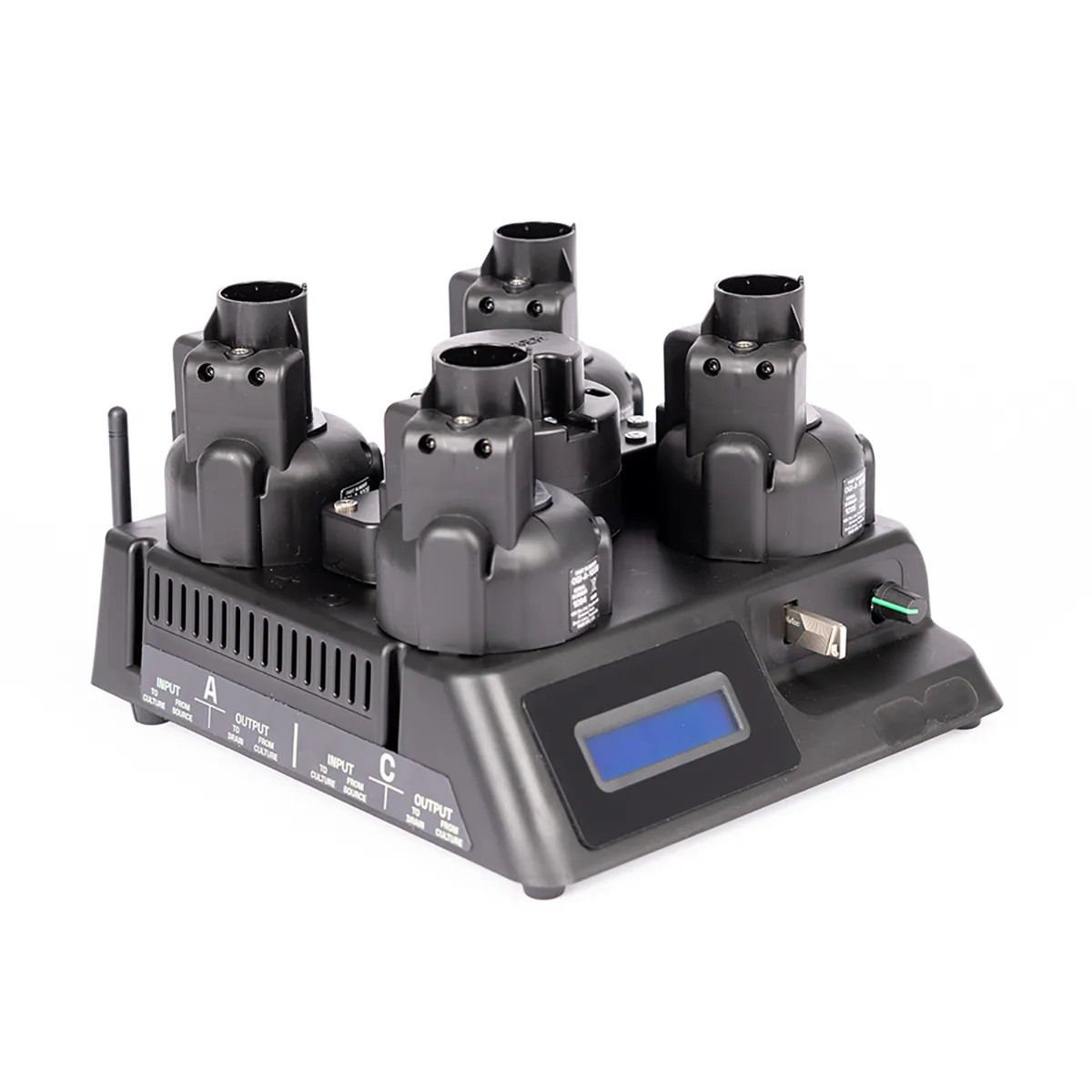
Effortlessly manage your liquid cultures with ogibiotec’s liquid control module.

Fluorescence Module
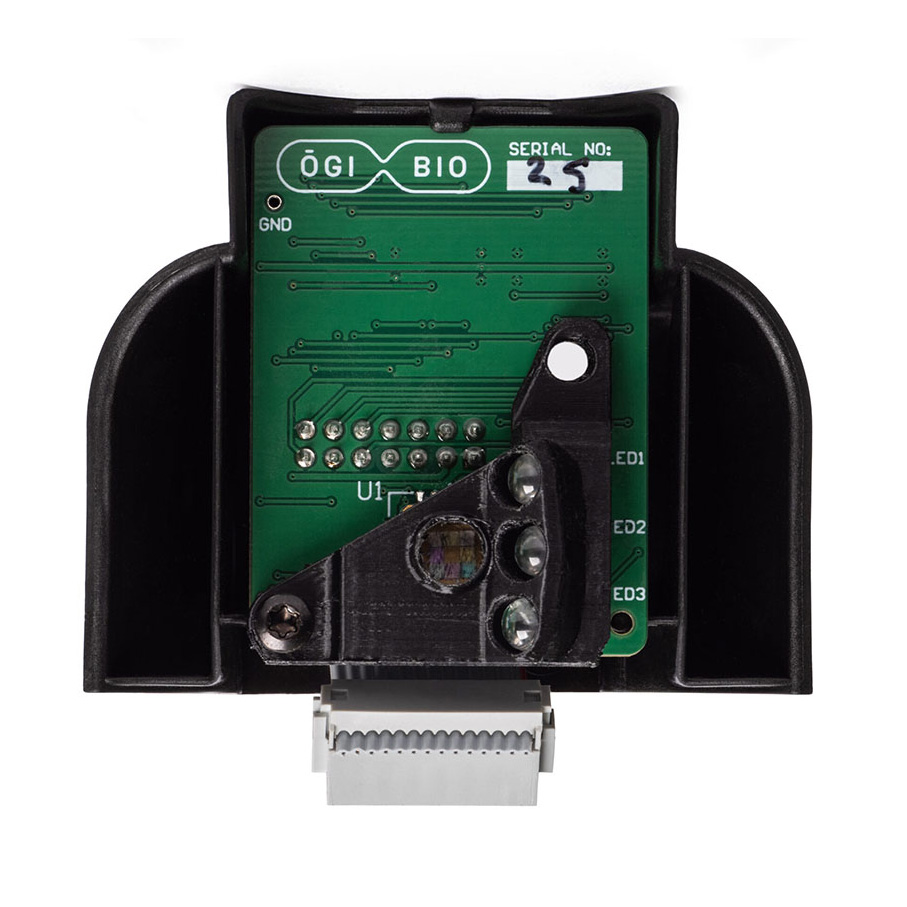
Enables real-time full spectrum scan of 340 to 780 nm in 2 nm increments.
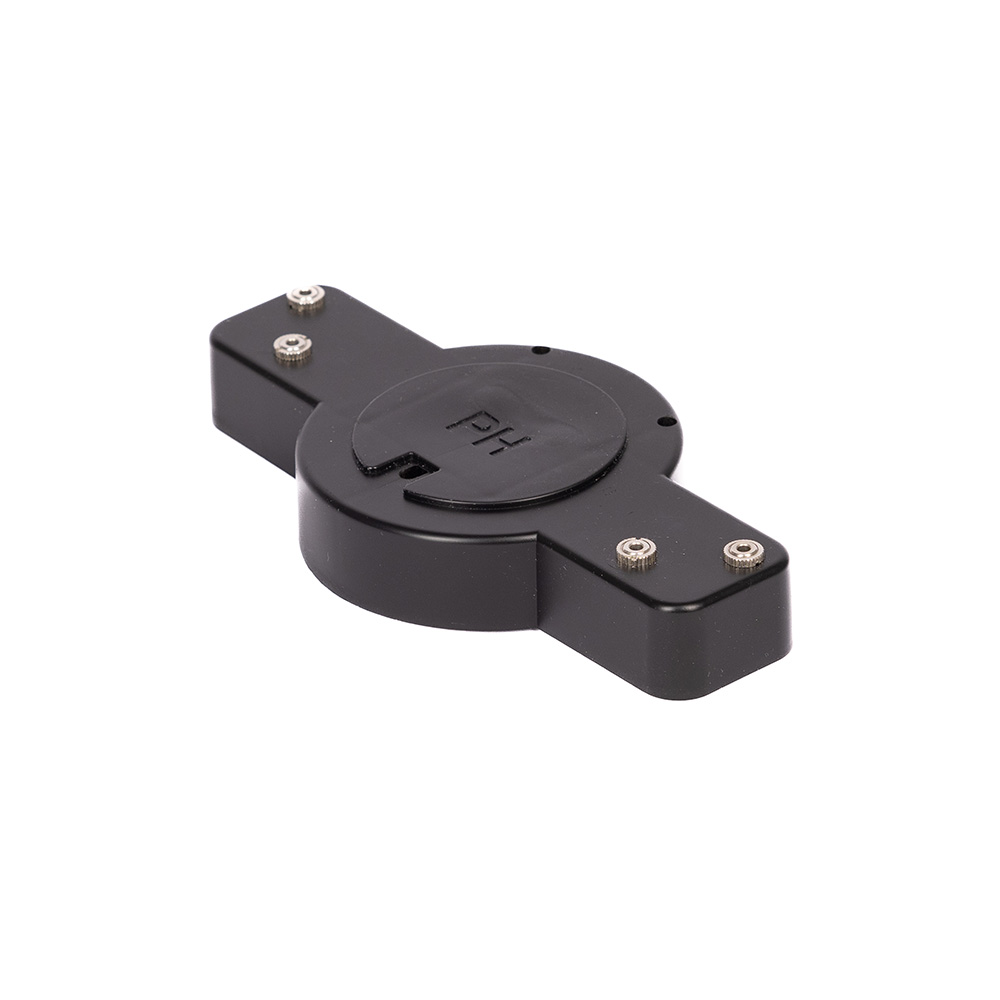
pH Module
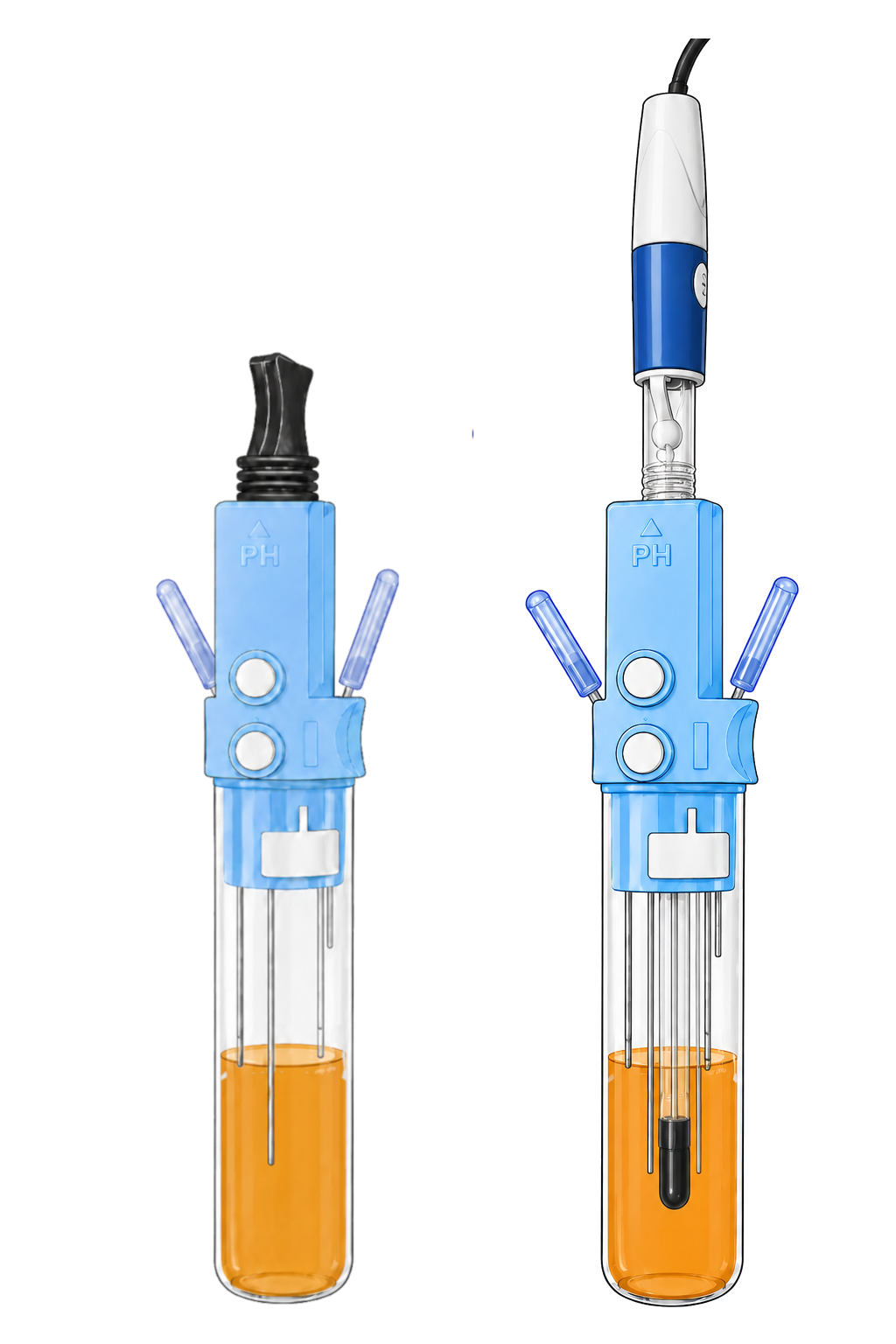
Monitor the pH in each culture. Ogi3 pH probes to allow the accurate measurement of pH 0-14.
Dissolved Oxygen Module
Measure the concentration of Oxygen in your cultures in real time.

Sparging Module
Provide additional gas to your cultures via headspace or dip-tube sparging. Supplied with pre-humidification units.
NB: Images not to scale